




Matador General Tools
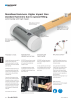
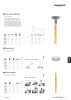
(422)Explore the range of Matador general tools, including hammers, mallets and striking instruments designed for metalworking and assembly. Find the right tool for your specific task, from soft-faced hammers for delicate surfaces to steel hammers for heavy-duty work.


hors Expédition


hors Expédition


hors Expédition


hors Expédition


hors Expédition


hors Expédition


hors Expédition


Choosing the right hand tool for your task
Matador general tools cover a broad range of hand-operated striking and shaping instruments designed for metalworking, assembly and maintenance. Whether you need a soft-faced hammer for delicate sheet metal, a standard engineer hammer for general forging, or a mallet for precise positioning, the right choice depends on the material you are working with and the level of force required. Selecting the appropriate head material and shape ensures effective work while protecting your workpiece from damage.
Understanding head materials and applications
The material of the hammer head is the most critical factor in selection. Steel heads, such as those found in engineer hammers, are designed for hard surfaces and general metalworking. Soft-faced hammers, often with nylon or plastic heads, are essential for tasks where the workpiece must not be marked or dented, such as in automotive bodywork or assembly. Copper hammers are specifically chosen for environments where sparks must be avoided, making them suitable for work near flammable materials. Mallets provide a softer impact than steel hammers but more force than plastic hammers, making them versatile for positioning and light assembly.
FAQ
What is the main difference between a soft-face hammer and a standard engineer hammer?
A soft-face hammer has a head made of a non-marring material like nylon or plastic, designed to strike without damaging the surface of the workpiece. A standard engineer hammer has a steel head, which is suitable for striking hard metals and driving tools but can leave marks on softer surfaces.
When should I use a copper hammer?
You should use a copper hammer when working in environments where sparks could ignite flammable gases or vapors. Copper is non-sparking, making it a safer choice for such hazardous conditions compared to steel hammers.
What are Matador general tools typically used for?
Matador general tools are used for a variety of manual tasks including striking, positioning, shaping and assembly. They are suitable for metalworking, automotive repair, construction and general maintenance where hand-operated force is required.
How do I choose the right hammer for sheet metal work?
For sheet metal work, you should choose a soft-face hammer or a plastic hammer. These tools allow you to shape and position the metal without denting or scratching the surface, which is crucial for achieving a clean finish.
What is the purpose of a mallet in general tooling?
A mallet is used for delivering a controlled, softer impact than a steel hammer. It is ideal for positioning workpieces, light assembly and tasks where a steel hammer would be too aggressive or risk damaging the material.
Are these tools suitable for professional use?
Yes, these tools are designed for professional and trade use. They are built to withstand regular use in workshops and on job sites, providing the durability and control needed for precise manual work.
What should I consider regarding the handle material?
Consider the handle material for comfort and durability. Handles made from wood, such as ash or hickory, provide a natural shock-absorbing quality. Ergonomic designs and protective collars can also enhance safety and user comfort during extended use.
Can I use a sledgehammer for general assembly tasks?
No, a sledgehammer is designed for heavy-duty striking and demolition tasks. It is not suitable for general assembly or delicate work, as its high mass and force can easily damage workpieces or cause injury if not used with proper care and technique.
Marques populaires