




SPAX Countersunk Head Wood Construction Screws
(96)SPAX countersunk head wood screws are designed for flush wood joints in structural and general construction. The countersunk profile allows the screw head to sit level with the surface, creating a smooth finish for joinery and framing. Explore the range to find the right thread type and tip design for your project.
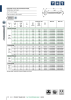
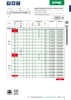
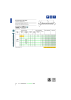
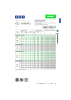


SPAX countersunk head wood screws for flush wood joints
SPAX countersunk head wood screws are designed for structural and general wood construction where the fastener head sits flush with the surface. The countersunk profile allows the screw to be recessed into a pre-drilled or self-cutting pocket, creating a smooth finish suitable for joinery, framing and assembly tasks. In the SPAX assortment, these screws are offered with different thread types and tip designs to suit various wood species and joint requirements.
Choosing the right countersunk wood screw
When selecting a countersunk head wood screw, consider the type of wood, the joint design and the desired finish. Partial-thread screws are often used where the unthreaded shank provides a tight pull-together fit, while full-thread screws offer greater holding power in softer or less dense materials. The tip design also affects how the screw engages the wood, with cutting tips reducing the need for extensive pre-drilling in many applications.
What is a countersunk head screw used for?
Countersunk head screws are used in wood construction to create flush or recessed joints. The conical head shape allows the screw to sit level with the wood surface, which is important for aesthetics and for preparing surfaces for finishing. They are commonly used in framing, decking, furniture assembly and other structural wood applications.
What is the difference between partial-thread and full-thread wood screws?
Partial-thread screws have a threaded section only at the tip, with a smooth shank that pulls the two pieces of wood tightly together. Full-thread screws have threads along most of the length, providing greater holding power in the material. The choice depends on the joint type and the wood species; partial-thread screws are often preferred for butt joints, while full-thread screws may be better for end-grain or softer woods.
How does the tip design affect screw performance?
The tip design determines how the screw cuts into the wood. Cutting tips, such as 4CUT or CUT tips, are designed to remove wood fibres as the screw advances, reducing the need for pre-drilling. S-tips or other specialized tips may offer different engagement characteristics for specific wood types or joint conditions. The right tip design helps ensure smooth driving and strong holding power.
What drive type is used on SPAX countersunk wood screws?
SPAX countersunk wood screws in this category use a T-STAR plus drive system. This drive type provides a secure connection between the driver bit and the screw head, reducing the risk of cam-out and allowing for controlled driving torque. It is suitable for both manual and powered driving tools.
Are these screws suitable for all types of wood?
SPAX countersunk wood screws are designed for general wood construction, but the best choice depends on the wood species and density. Harder woods may require different thread or tip designs than softer woods. Always consider the specific application and wood type when selecting a screw to ensure optimal performance and joint strength.
Do I need to pre-drill when using countersunk wood screws?
Pre-drilling is often recommended, especially for hardwoods or when using longer screws, to prevent splitting and ensure accurate placement. However, screws with cutting tips are designed to reduce the need for pre-drilling in many softwood applications. The decision to pre-drill depends on the wood type, screw size and joint design.
What is the advantage of a countersunk head over a flat head?
A countersunk head sits flush with the wood surface, creating a smooth finish that is ideal for painted or stained surfaces. A flat head, by contrast, sits on top of the surface. The countersunk profile is preferred in applications where a clean, level finish is important, such as in furniture, decking and visible joinery.
How do I choose the right size of countersunk wood screw?
The size of the screw should be chosen based on the thickness of the wood, the load requirements of the joint and the desired holding power. Longer screws provide greater engagement in the material, while larger diameters offer stronger holding power. Consider the specific application and consult general wood construction guidelines to select the appropriate size.
Are SPAX countersunk wood screws suitable for outdoor use?
SPAX countersunk wood screws are designed for wood construction, but suitability for outdoor use depends on the material and coating of the specific screw. For outdoor applications, consider screws with appropriate corrosion resistance for the environment. Always check the product specifications for the intended use conditions.
Where can I find more information about SPAX countersunk wood screws?
You can explore the full range of SPAX countersunk head wood screws in the SPAX shop on ToolTeam. The product listings provide detailed information on thread type, tip design and drive system to help you make an informed choice for your wood construction project.
Popular brands