Pneumatics & Hydraulics
(21851)Pneumatics and hydraulics cover the tools, components and systems that use compressed air or pressurized fluid to perform work. Choose from pneumatic tools, compressed air machines and hydraulic components to suit your workshop or industrial needs.


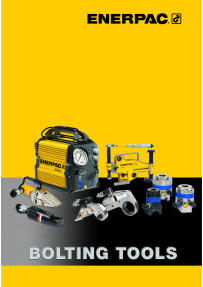


Understanding Pneumatics and Hydraulics for Your Workshop
Pneumatics and hydraulics cover the tools, components and systems that use compressed air or pressurized fluid to perform work. Pneumatic systems use compressed air, which is often preferred for its simplicity, low maintenance and safety in explosive environments. Hydraulic systems use pressurized fluid, which provides higher force and precision for heavy-duty tasks. Choosing between the two depends on the required force, speed and operating environment. For most workshop and assembly tasks, pneumatic tools offer a good balance of power and ease of use.
When selecting equipment, consider the power source, required pressure or force, and the specific task. Pneumatic tools require a reliable air supply, while hydraulic systems need a pump and fluid reservoir. Check the connection standards and accessory interfaces to ensure compatibility with existing equipment. For complex systems, consider the control and monitoring options to ensure safe and efficient operation.
Key Selection Criteria for Pressure Systems
The primary selection criteria for pneumatics and hydraulics are the required force, speed and operating environment. Pneumatic systems are suitable for tasks requiring high speed and moderate force, such as fastening and assembly. Hydraulic systems are better for tasks requiring high force and precision, such as pressing and lifting. Consider the power source and energy efficiency, as pneumatic systems are generally more energy-efficient for intermittent use. Check the maintenance requirements, as hydraulic systems require regular fluid changes and filter replacements.
For pneumatic systems, ensure the air supply meets the required pressure and flow rate. For hydraulic systems, select the appropriate fluid and pump size to match the load. Check the connection standards and accessory interfaces to ensure compatibility with existing equipment. Consider the operating temperature range and environmental conditions, as extreme temperatures can affect system performance.
Choosing the Right Accessories and Components
Accessories and components are essential for the proper functioning of pneumatic and hydraulic systems. Fittings, valves and cylinders must match the system's pressure rating and connection standards. Check the material and pressure rating to ensure the components can handle the operating conditions. For pneumatic systems, consider the air preparation units, such as filters, regulators and lubricators, to ensure clean and consistent air supply. For hydraulic systems, consider the fluid reservoirs, pumps and filters to ensure reliable operation.
When selecting accessories, verify the connection type and size to prevent leaks and ensure a secure connection. Check the operating temperature range and material compatibility if the accessories will be used in harsh conditions. Consider the maintenance requirements and replacement intervals to ensure long-term reliability. For complex systems, consider the control and monitoring options to ensure safe and efficient operation.
Frequently Asked Questions
What is the difference between pneumatic and hydraulic systems?
Pneumatic systems use compressed air, while hydraulic systems use pressurized fluid. Pneumatic systems are generally lighter, simpler and safer for explosive environments, while hydraulic systems provide higher force and precision for heavy-duty tasks. When selecting from the range of pneumatics and hydraulics, choose pneumatics for high-speed, moderate-force tasks and hydraulics for high-force, precision tasks.
How do I choose the right compressed air machine?
Select a compressed air machine based on the required air volume and storage capacity for the intended workload. Consider the power source and noise level if the machine will operate in a workshop or office-adjacent area. Verify the connection interface to ensure compatibility with existing piping and tools.
What should I check when selecting pneumatic tools?
Check the required air pressure and flow rate to ensure the tool operates effectively with the available air supply. Verify the accessory interface, such as the chuck or bit holder, to confirm compatibility with the required consumables. Select the tool type that matches the specific task, such as impact wrenches, grinders or nailers.
How do I ensure compatibility between components and systems?
Check the connection standards and pressure ratings to ensure compatibility between components and systems. Verify the thread size and type to prevent leaks and ensure a secure connection. For complex systems, consider the control and monitoring options to ensure safe and efficient operation.
What are the maintenance requirements for hydraulic systems?
Hydraulic systems require regular fluid changes and filter replacements to ensure reliable operation. Check the fluid level and condition regularly to prevent contamination and wear. Consider the operating temperature range and environmental conditions, as extreme temperatures can affect system performance.
How do I select the right fittings for a pneumatic system?
Select fittings that match the connection standard, such as threaded, quick-connect or flanged. Check the material and pressure rating to ensure the fitting can handle the system's operating conditions. Verify the thread size and type to prevent leaks and ensure a secure connection.
What are the benefits of using pneumatic tools in a workshop?
Pneumatic tools offer a good balance of power and ease of use for most workshop and assembly tasks. They are generally lighter and simpler than hydraulic tools, making them easier to handle and maintain. Pneumatic tools are also safer for use in explosive environments, as they do not use flammable fluids.
How do I choose the right vacuum technology for my application?
Select the vacuum system based on the required vacuum level and flow rate for the intended task. Check the connection type and material compatibility to ensure the system can handle the specific application. Verify the power source and noise level if the system will operate in a workshop or production area.
Popular brands