



HAZET Special Tools for Wheels & Tyres
(12)Discover a range of hand tools and accessories for wheel and tyre service, including mounting levers, valve tools, tread depth gauges and rim cleaning tools. This HAZET shop category offers solutions for fitting, removing and maintaining tyres on passenger cars, vans and commercial vehicles, helping you buy HAZET wheels and tyres tools for your workshop or mobile service.


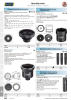
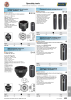


Choosing the right wheel and tyre tools
When you need to buy HAZET wheels and tyres tools for workshop or mobile tyre service, you can select from a range of hand tools and small accessories designed for specific tasks, from fitting and removing tyres to checking tread depth and cleaning wheel components. The assortment in this HAZET shop category covers tools for passenger cars, vans and commercial vehicles, helping technicians select the appropriate instrument for each step of wheel and tyre maintenance.
Understanding the main tool types
Wheel and tyre work involves several distinct operations, each requiring a dedicated tool. Tyre mounting and removal tools, including levers and protective sleeves, are designed to separate the tyre bead from the rim without damaging the tyre carcass or the wheel surface. These are particularly important for runflat and low-profile tyres, which have stiffer sidewalls and are more susceptible to damage during fitting.
Valve tools are used to install, remove or deflate tyre valves. A valve wrench allows the technician to unscrew the valve core or the entire valve stem, while a valve tool with a pin-pushing function helps release air quickly and safely. Tread depth gauges provide a visual reading of the remaining tread, supporting routine checks and compliance with minimum depth requirements. Rim cleaning tools and related accessories help remove old sealant, brake dust or adhesive residue from wheel flanges before refitting.
Selection guidance for different tasks
When selecting tools for wheel and tyre work, consider the type of vehicle and tyre you are working with. Runflat and low-profile tyres require mounting tools with reinforced, rounded edges to avoid puncturing or tearing the sidewall. Protective sleeves for mounting levers help prevent scratches on the wheel rim and reduce the risk of the lever slipping. For vehicles with larger or heavier wheels, tools with a longer lever arm may be more practical, although the specific length should be matched to the wheel size and the working space available.
Valve tools should be chosen based on the valve type and the task at hand. A standard valve wrench is suitable for most passenger car and van tyres, while a valve tool with a pin-pushing function is useful for quick deflation. Tread depth gauges should offer a clear, unobstructed reading to ensure accurate measurements. Rim cleaning tools should be selected based on the type of residue to be removed and the material of the wheel, to avoid damaging the surface.
Frequently asked questions
What tools are needed to fit and remove a tyre?
To buy HAZET wheels and tyres tools for basic tyre fitting and removal, you typically need a set of mounting levers, a valve tool and a tread depth gauge. For runflat and low-profile tyres, protective sleeves for the levers are recommended to prevent damage to the tyre sidewall and the wheel rim. The specific tools needed may vary depending on the wheel size, tyre type and the equipment available in the workshop.
How do I choose a valve tool for my vehicle?
Valve tools are generally compatible with standard valve types found on passenger cars, vans and light commercial vehicles. A valve wrench is used to unscrew the valve core or the entire valve stem, while a valve tool with a pin-pushing function helps release air quickly. If you are working with a specific valve type or a non-standard wheel, check the tool specifications to ensure compatibility.
What is the purpose of a tread depth gauge?
A tread depth gauge is used to measure the remaining tread depth of a tyre, which is important for safety and legal compliance. The gauge provides a visual reading of the tread depth, allowing the technician to determine whether the tyre is still within acceptable limits. A clear, unobstructed reading is essential for accurate measurements.
Why are protective sleeves needed for tyre mounting levers?
Protective sleeves are designed to prevent damage to the tyre sidewall and the wheel rim during the fitting and removal process. They are particularly important for runflat and low-profile tyres, which have stiffer sidewalls and are more susceptible to damage. The sleeves also help prevent the lever from slipping, reducing the risk of injury and damage.
What should I consider when selecting a rim cleaning tool?
Rim cleaning tools should be selected based on the type of residue to be removed and the material of the wheel. For example, a tool designed for removing old sealant may be different from one designed for removing brake dust or adhesive residue. The tool should be compatible with the wheel material to avoid damaging the surface.
Are these tools suitable for commercial vehicles?
Many of the tools in this category are suitable for use on commercial vehicles, including vans and light trucks. However, the specific tools needed may vary depending on the wheel size, tyre type and the equipment available in the workshop. It is important to select tools that are appropriate for the vehicle and the task at hand.
How do I maintain my wheel and tyre tools?
Regular maintenance is important to ensure the longevity and performance of your wheel and tyre tools. This includes cleaning the tools after use, storing them in a dry place and inspecting them for wear or damage. Protective sleeves and other accessories should be replaced if they show signs of wear or damage.
What is the difference between a valve wrench and a valve tool with a pin-pushing function?
A valve wrench is used to unscrew the valve core or the entire valve stem, while a valve tool with a pin-pushing function helps release air quickly and safely. The pin-pushing function is useful for deflating the tyre before fitting or removal, as it allows the air to escape rapidly without the need to unscrew the valve core.
Can I use these tools on all types of tyres?
While many of the tools in this category are suitable for a wide range of tyre types, it is important to select tools that are appropriate for the specific tyre and wheel you are working with. For example, runflat and low-profile tyres require tools with reinforced, rounded edges to prevent damage to the sidewall. Always check the tool specifications to ensure compatibility with the tyre and wheel.
Popular brands