



HAZET Special Pliers
(16)HAZET special pliers are purpose-built hand tools for specific automotive, bodywork and mechanical tasks. Choose the right HAZET special pliers based on the function, material and access constraints of your work to ensure effective and safe use.


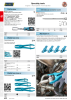
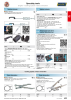

Special pliers for automotive and bodywork tasks
HAZET special pliers are purpose-built hand tools designed for specific mechanical, automotive and bodywork operations that standard pliers cannot perform. The assortment includes tools for brake service, body repair, riveting and hole-making, each shaped to handle a particular component or material. When selecting a HAZET special pliers, match the tool’s jaw profile, handle length and intended application to the exact task at hand to ensure effective and safe use.
Choosing the right special pliers
Unlike general-purpose pliers, special pliers are engineered for narrow, repeatable tasks. The key selection criteria are the specific function required, the material being worked on, and the access constraints of the work area. For example, a brake spring pliers is designed to compress or release high-tension springs safely, while a bodywork pliers is shaped to grip, bend or remove sheet metal components without damaging surrounding panels. Riveting pliers and hole-making pliers serve distinct fastening and preparation tasks in body repair. Always verify that the tool’s jaw geometry and handle design correspond to the component you are working on, as using the wrong special pliers can lead to slippage, component damage or injury.
Applications and task-specific selection
Special pliers are commonly used in automotive maintenance, body repair and industrial assembly. Brake service pliers are essential for handling tension springs in drum brake systems. Bodywork pliers are used for gripping, bending, cutting or removing sheet metal, trim and fasteners. Riveting pliers are used to set or remove rivets in metal panels, while hole-making pliers create precise openings in sheet metal for fasteners or wiring. Selecting the correct tool for each task ensures efficiency and reduces the risk of damage to both the workpiece and the tool.
Material and construction considerations
Special pliers are typically manufactured from high-strength alloy steels, such as chrome-vanadium, to withstand the high forces involved in their specific tasks. The surface finish, often chrome-plated, provides corrosion resistance and a smooth operating surface. When choosing a HAZET special pliers, consider the durability of the material and the quality of the finish, especially if the tool will be used in environments with moisture, chemicals or abrasive materials. The handle design should also provide a secure grip and adequate leverage for the task, reducing hand fatigue during extended use.
FAQ
What is the difference between special pliers and standard pliers?
Special pliers are designed for specific tasks, such as brake service, bodywork, riveting or hole-making, while standard pliers are general-purpose tools for gripping, bending and cutting. Special pliers have jaw profiles and handle designs optimized for their intended function, whereas standard pliers have a more versatile but less specialized design.
Which HAZET special pliers should I choose for brake service?
For brake service, select a brake spring pliers designed to compress or release high-tension springs safely. Ensure the tool’s jaw profile matches the type of spring you are working on, and that the handle provides adequate leverage for the task.
Are HAZET special pliers suitable for body repair?
Yes, HAZET offers special pliers specifically designed for body repair, including bodywork pliers for gripping, bending and removing sheet metal, and riveting pliers for setting or removing rivets. Choose the tool based on the specific bodywork task you need to perform.
What material are HAZET special pliers made from?
HAZET special pliers are typically made from high-strength alloy steels, such as chrome-vanadium, to withstand the high forces involved in their specific tasks. The surface finish, often chrome-plated, provides corrosion resistance and a smooth operating surface.
How do I choose the right hole-making pliers?
Select a hole-making pliers based on the diameter of the hole you need to create and the type of material you are working on. Ensure the tool’s jaw profile and handle design are suitable for the specific task, and that the tool is rated for the material thickness you are working with.
Can I use special pliers for general-purpose tasks?
While special pliers can sometimes be used for general-purpose tasks, they are not designed for this purpose. Using a special pliers for a task it is not intended for can lead to tool damage, reduced effectiveness and potential safety risks. Always use the correct tool for the task at hand.
What should I look for when buying HAZET special pliers?
When buying HAZET special pliers, consider the specific task you need to perform, the material being worked on, and the access constraints of the work area. Look for tools made from high-strength alloy steels with a durable surface finish, and ensure the handle design provides a secure grip and adequate leverage for the task.
How do I maintain my HAZET special pliers?
To maintain your HAZET special pliers, keep them clean and dry, and apply a light coat of oil to the moving parts regularly. Store the tools in a dry, secure location to prevent corrosion and damage. Inspect the tools regularly for signs of wear or damage, and replace them if necessary.
Popular brands